Motor Fleet Insurance for Transport Operators
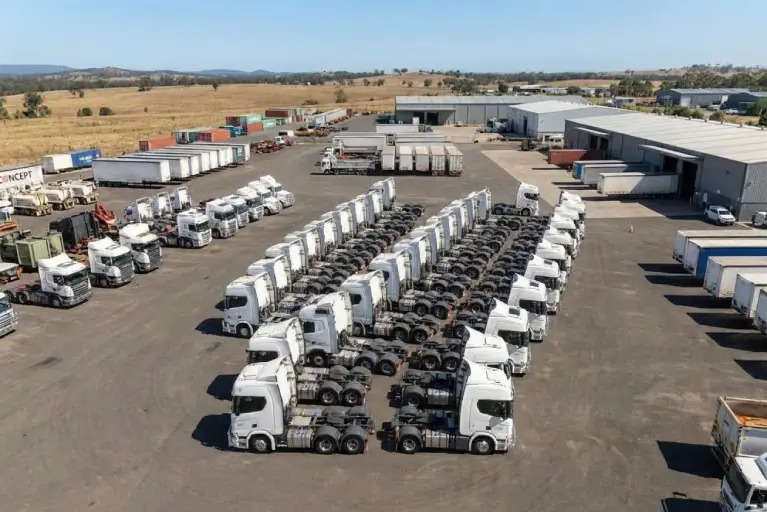
Motor fleet insurance for transport businesses, heavy vehicle operators and growing commercial fleets across Australia.
Whether you manage prime movers, trailers, refrigerated vehicles, civil equipment or mixed fleets, insurance requirements can change quickly as operations expand.
All Trucks Insurance works with operators who need practical support around fleet risk, claims coordination and ongoing operational changes; not just policy renewals.
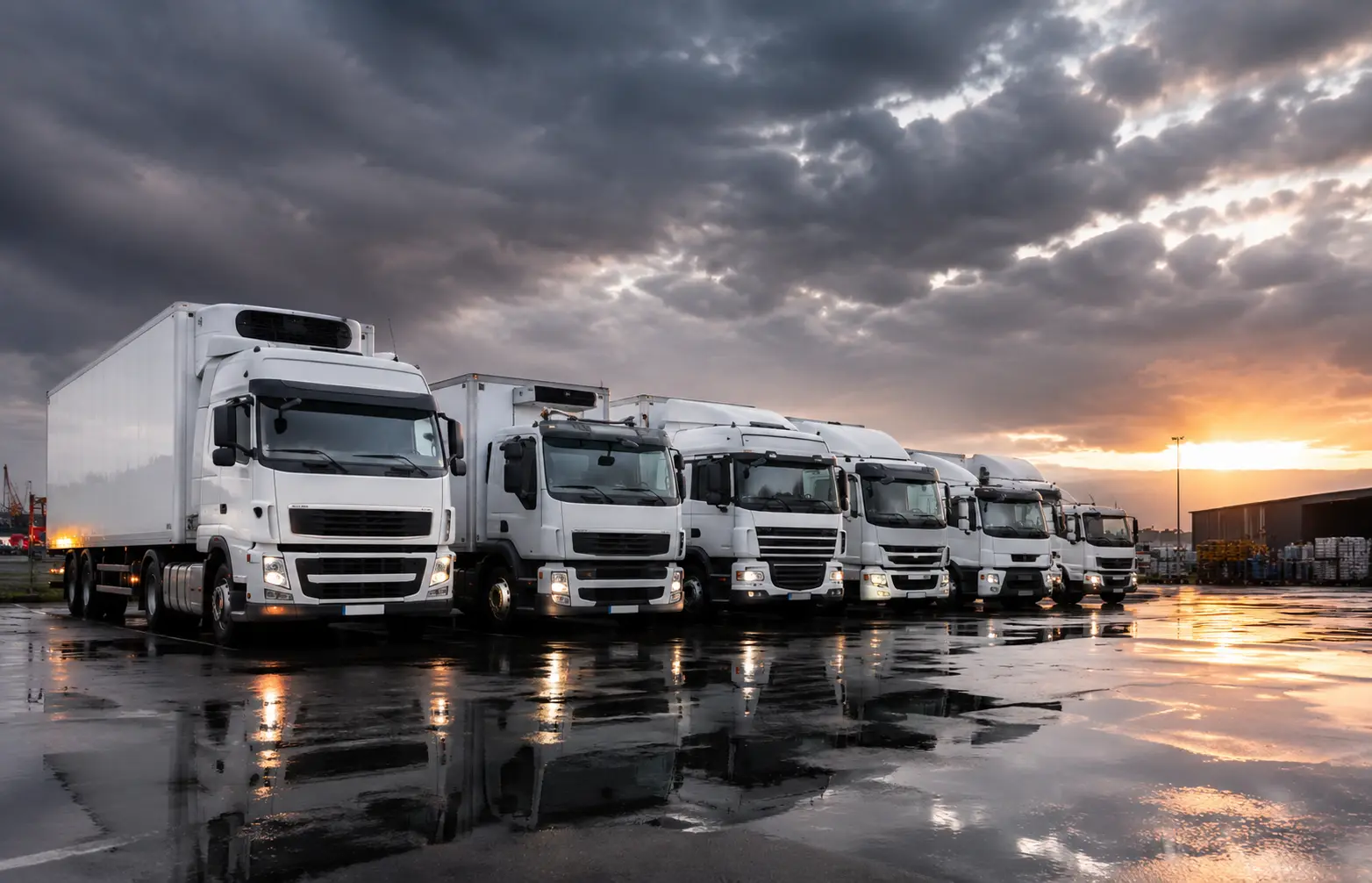

Transport-Focused Advice
For truck, fleet and heavy vehicle operators.

Fleet Risk Support
Help reviewing assets, drivers and changing exposures.

Claims Coordination
Support when incidents affect business operations.
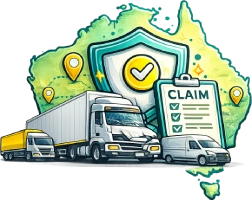
Australia-Wide
Supporting commercial fleet operators nationally.
Insurance Built Around Real Fleet Operations
Managing a fleet involves more than simply insuring vehicles.
At All Trucks Insurance, the focus is on understanding how the operation actually runs before discussing suitable insurance options.
01
Growing Business Risks
From single vehicles to complex multi-asset fleets, we understand the operational pressures that keep your business moving.
DowntimeDriver riskSubcontractorsContract growthAsset valuesRegional work
02
Fleet Cover Factors
Fleet requirements can change quickly as businesses grow, contracts expand and additional vehicles are added.
Vehicle typesOperating radiusTrailer setupsFreight tasksBusiness sizeOwnership structure
03
Ongoing Fleet Support
Regular reviews help keep your cover aligned as the operation changes.
Vehicle valuesUninsured accessoriesOperational risksSubcontractor risksDriver responsibilitiesPolicy gaps
Let's Structure Cover Around How Your Fleet Actually Runs
Talk through your vehicles, contracts and day-to-day operations with a specialist transport broker.
Fleet Operations We Support
From single vehicles to complex multi-asset fleets, we understand the operational pressures that keep your business moving.
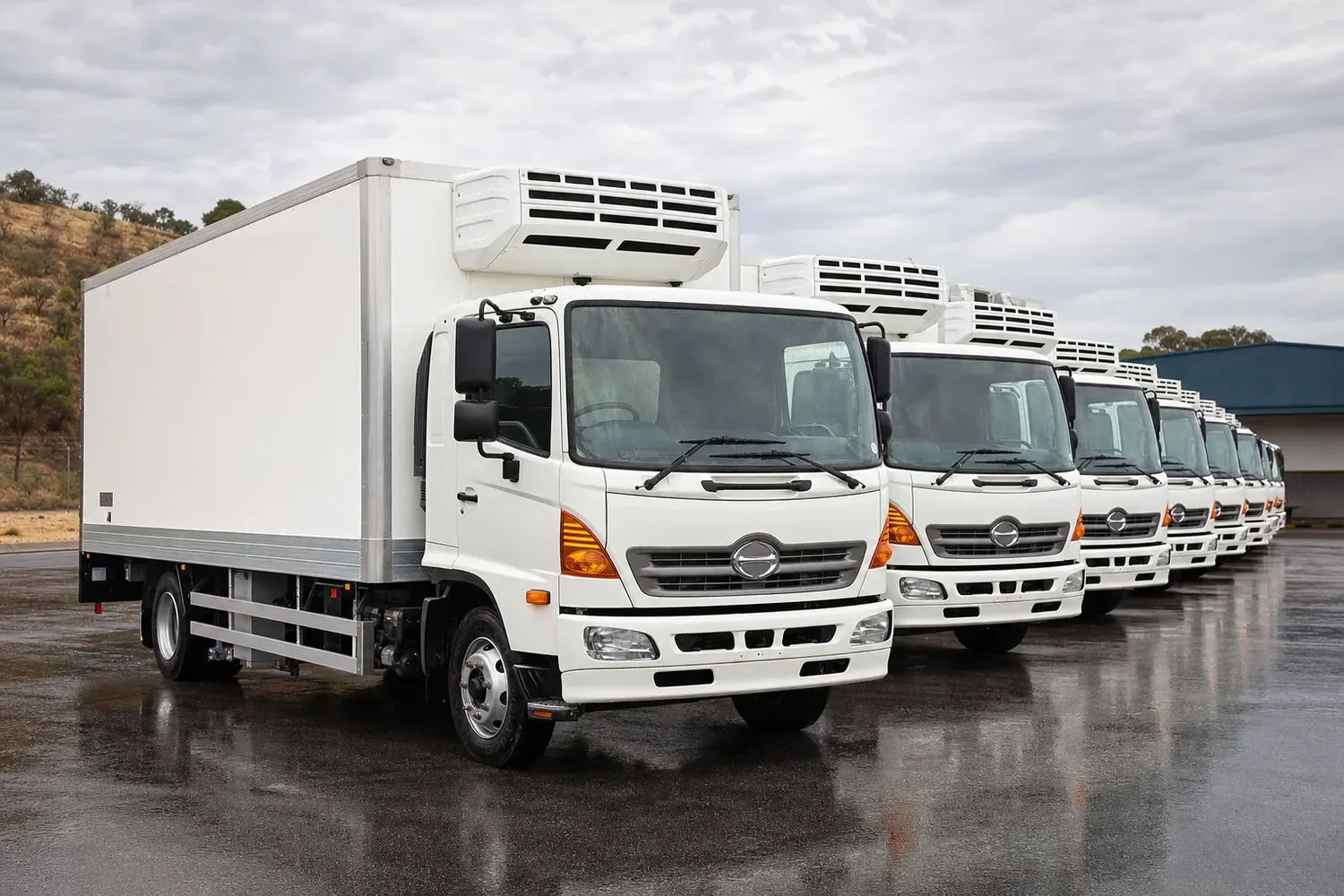
Refrigerated Transport Fleets
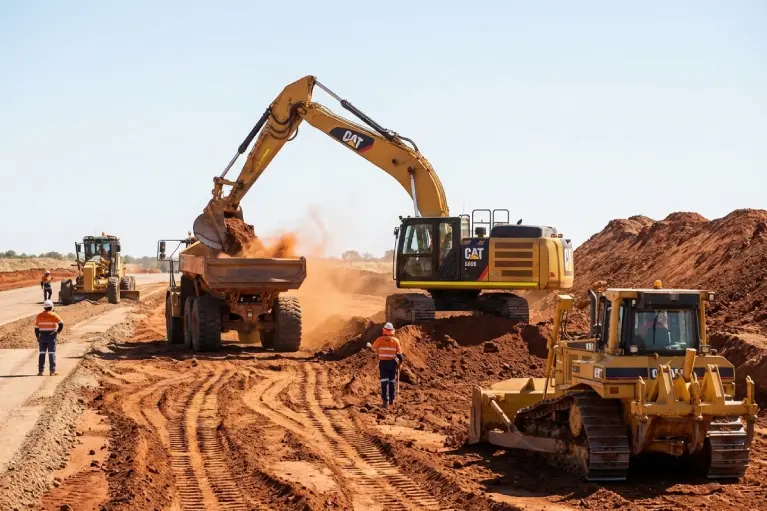
Civil & Earthmoving Fleets
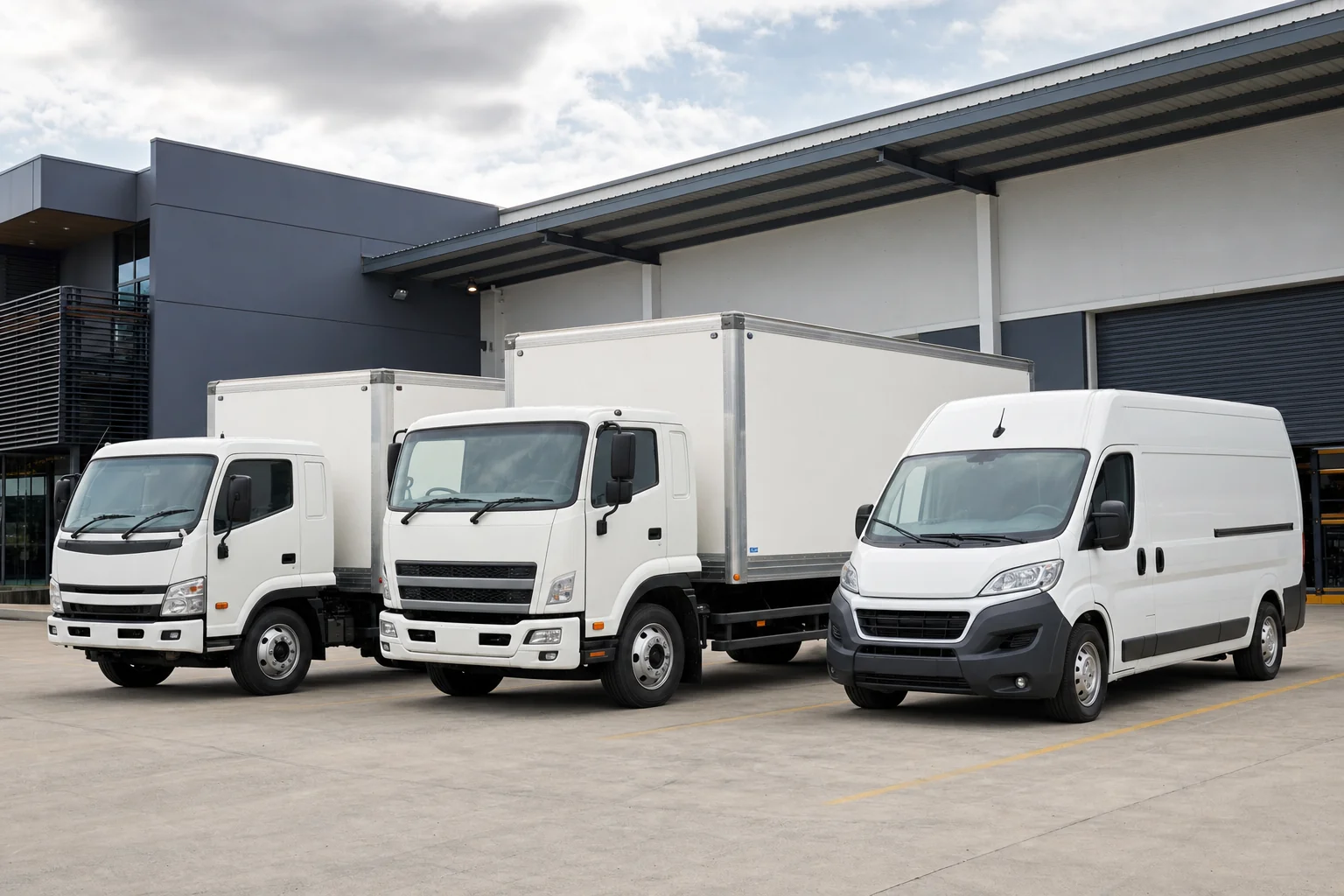
Courier & Logistics Fleets

Mining & Resources Vehicles
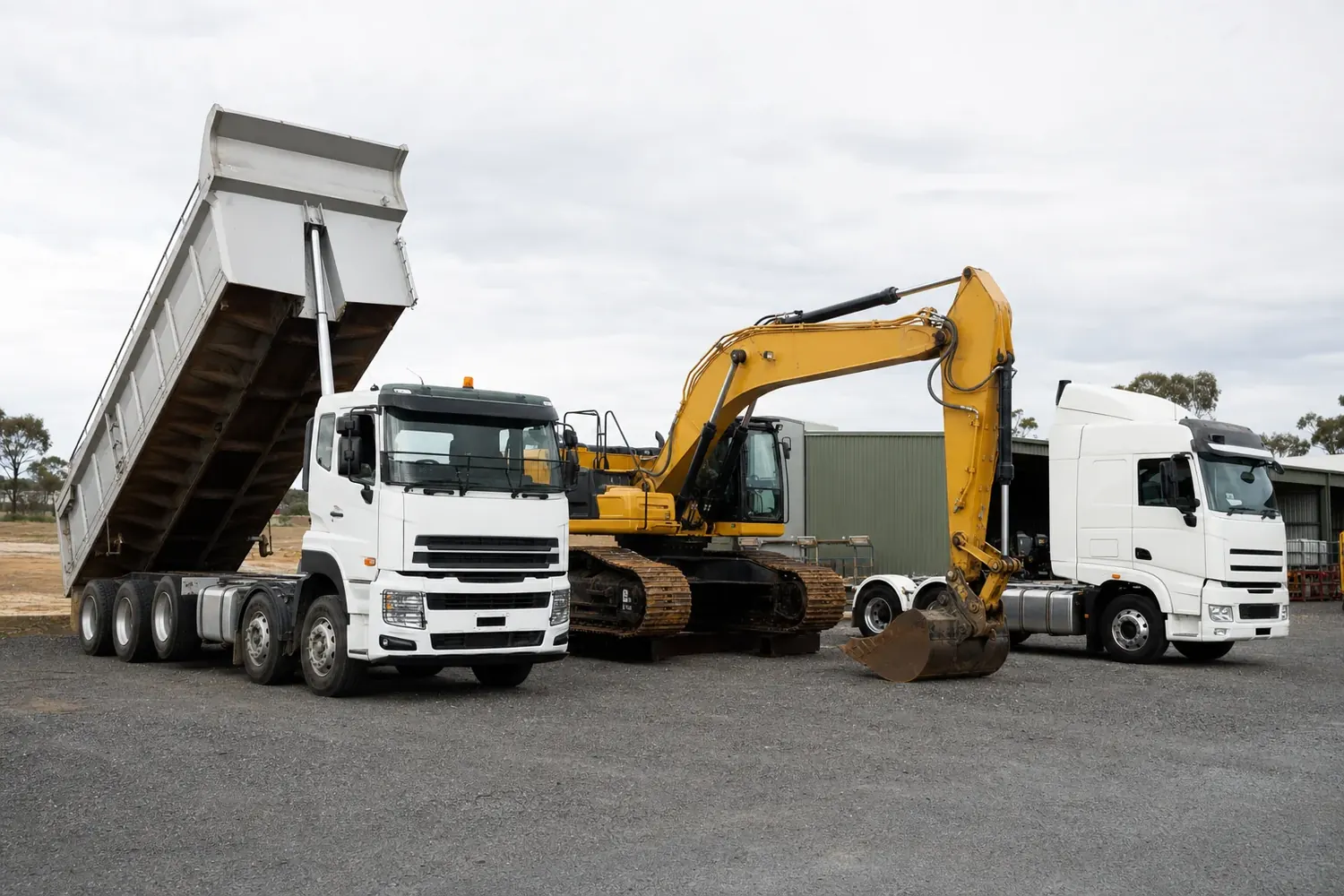
Mixed Commercial Fleets
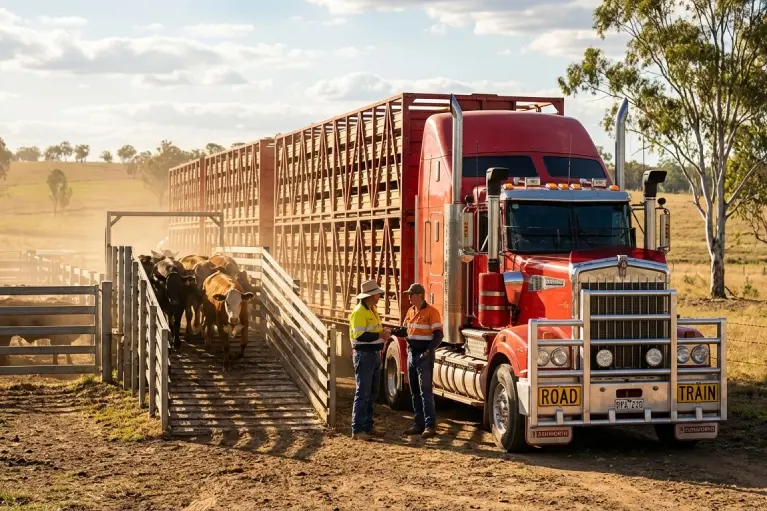
Livestock & Agricultural Transport
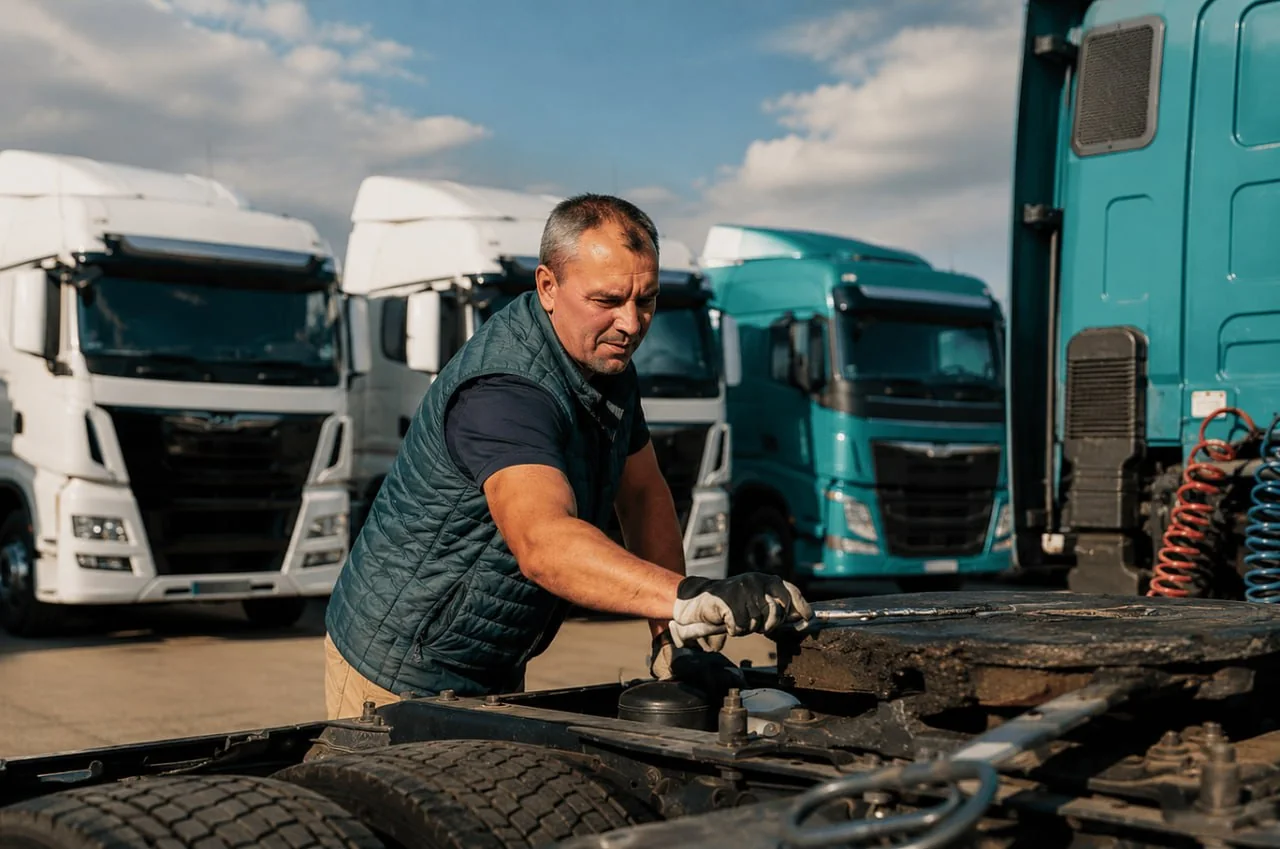
Owner Drivers & Growing Fleets
Not Sure Which Cover Is Right for Your Operation?
Discuss your operation, fleet structure and insurance requirements with a broker who understands transport and heavy vehicle operations.
Speak With a SpecialistFleet Insurance That Can Evolve With Your Operation
Cover structures can vary depending on the fleet, vehicle types, operational requirements and insurer underwriting criteria.
Fleet operators may consider a range of cover options depending on how vehicles and equipment are used across the business.
What Motor Fleet Insurance May Include
Comprehensive Motor Cover
Cover for accidental damage, theft and other insured events relating to fleet vehicles.
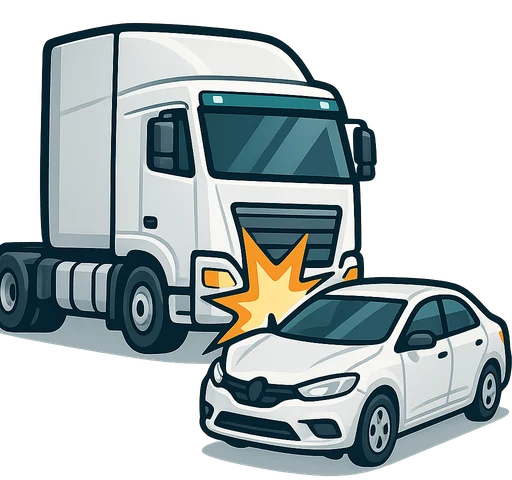
Third Party Property Damage
Cover relating to damage caused to third-party property during vehicle operations.
Trailer Insurance
Considerations for trailers, combinations and specialised transport equipment.
Equipment & Accessories
Additional accessories, modifications and operational equipment fitted to vehicles.
Downtime & Hire Costs
Some operators may consider cover options relating to replacement vehicles or operational downtime following insured events.
Marine Transit / Cargo
Insurance considerations for transported goods, freight and customer cargo.

Public Liability
Cover considerations relating to third-party injury or property damage arising from business activities.
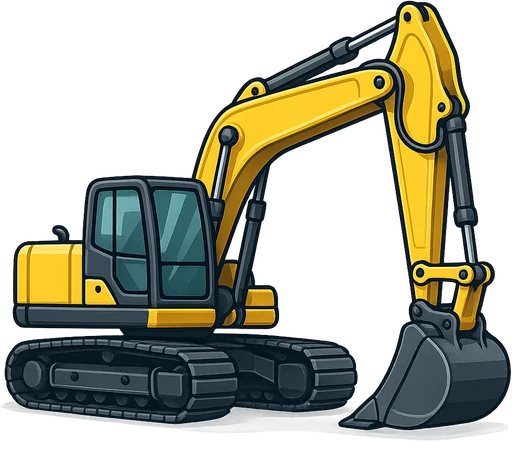
Mobile Plant & Machinery
Insurance options for businesses operating mixed fleets involving trucks, machinery and plant equipment.
Common Risks Facing Fleet Operators
Transport fleets face a shifting set of risks, and left unmanaged any one of them can disrupt the wider operation.
This is where All Trucks Insurance helps. We work with operators to identify these exposures early, structure cover that reflects how the fleet actually runs, and coordinate claims quickly so issues are managed before they stall the business.
- Vehicle Downtime
- Changing Asset Values
- Driver Shortages & Experience Levels
- Repair Delays
- Subcontractor Exposure
- Expanding Operations
- Underinsurance
- Contract & Compliance Requirements
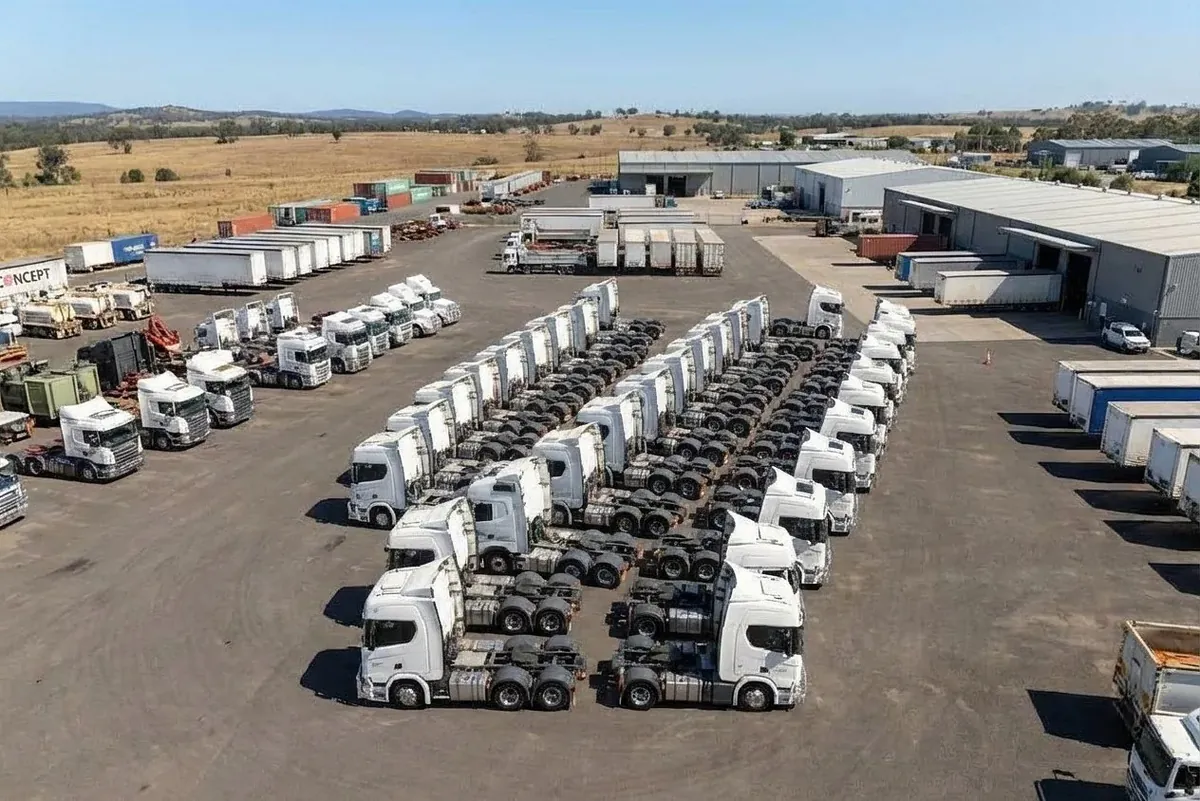
Keeping Information Accurate Is Critical
Accurate, up-to-date information helps insurers assess fleet risk correctly and supports a smoother experience at claim time. Keeping the following current is worthwhile as your operation changes.
1
Maintain a Current Vehicle Schedule
Keep vehicle, trailer and equipment registers up to date as assets are added, replaced or sold so cover continues to reflect the fleet on the road.
2
Review Declared Values Regularly
Vehicle values, accessories and modifications change over time. Reviewing declared values helps reduce the risk of underinsurance if a total loss occurs.
3
Disclose Operations & Claims History
Providing accurate details about operations, drivers and claims history allows insurers to assess risk correctly and helps avoid issues at renewal or claim time.
Support When Incidents Happen
When incidents occur, transport businesses can face operational pressure well beyond vehicle repairs alone.
Delays, downtime, subcontractor impacts and scheduling disruptions can all affect the wider operation while claims are being managed.
Claims Communication
Helping operators navigate insurer communication, documentation requirements and claims processes following incidents.
Operational Understanding
Understanding the pressures transport businesses can face when vehicles are off the road or contracts are disrupted.
Coordinating Multiple Policies
Some incidents can involve multiple policies, including motor, liability, marine transit or plant and equipment cover.
Ongoing Support
Working with operators, repairers and insurers throughout the claims process where required.
Speak With a Specialist About Your Fleet Operation
Whether you operate a small transport fleet or manage multiple heavy vehicles across different worksites and contracts, All Trucks Insurance can help you review your current arrangements and operational risks.
Get a Free QuoteWhy Work With a Specialist Fleet Insurance Broker?
Transport Industry Understanding
Hands-on experience across transport, heavy equipment and operational fleet environments.
Long-Term Relationship Focus
Supporting operators as businesses grow, fleets expand and operational requirements evolve.

Risk & Fleet Reviews
Regular discussions around asset values, operational changes and emerging fleet exposures.

Claims Advocacy
Acting as a point of communication between operators, insurers and other parties when incidents occur.
Prevention-Focused Approach
Understanding that maintenance, onboarding, training and operational processes all play a role in reducing risk exposure.

Support Across Multiple Fleet Types
Supporting transport, logistics, civil, earthmoving and mixed commercial fleet operations.
Our Process
Our process focuses on learning about your operation, arranging suitable cover. A straightforward process focused on understanding how your operation works before discussing suitable insurance options.
01
Understand Your Fleet
Discussing your vehicles, operations, contracts and current insurance arrangements.
02
Review Operational Risks
Understanding potential exposures around drivers, downtime, subcontractors and fleet growth.
03
Arrange Suitable Options
Reviewing available insurance options based on your operational requirements and insurer appetite.
04
Ongoing Support
Providing ongoing support as operations evolve, vehicles change and business requirements shift over time.
Related Cover
Transport operators rarely need just one policy. These are the covers most often arranged alongside it.

Speak With a Specialist Fleet Insurance Broker
Whether you operate a growing transport fleet, mixed commercial vehicles or heavy equipment across multiple worksites, reviewing your insurance arrangements regularly can help ensure cover continues to reflect how the business operates.
All Trucks Insurance works with transport operators, logistics businesses and commercial fleet operators across Australia.
Motor Fleet Insurance FAQs
Motor fleet insurance generally refers to insurance arranged for businesses operating multiple vehicles under a fleet structure rather than individual policies for each vehicle. Fleet arrangements can vary depending on: vehicle types, business operations, driver exposure, and insurer underwriting requirements.
Depending on the insurer and business operations, fleet policies may include: trucks, trailers, prime movers, vans, utes, refrigerated vehicles, mobile plant, and mixed commercial vehicles.
Not always. Some fleet insurance arrangements may be available for smaller operators managing a handful of vehicles, while larger businesses may require more complex fleet structures involving multiple asset types and operational exposures.
Premiums can vary depending on factors such as: fleet size, vehicle values, claims history, operating radius, freight tasks, driver experience, subcontractor exposure, and vehicle usage. Pricing and acceptance terms vary between insurers and underwriting criteria.
Many transport operators arrange insurance for trailers and combinations alongside powered vehicles, depending on ownership structures and operational requirements. This can include: flat tops, tippers, drop decks, tautliners, refrigerated trailers, and specialised combinations.
Vehicle values, accessories and equipment can change significantly over time. Regular reviews may help businesses identify: outdated declared values, uninsured accessories, modifications, or changes in replacement costs.
In some cases, yes. Transport operators using subcontractors may face additional contractual, liability and operational considerations depending on how work is structured and managed across the business.
Downtime can impact scheduling, freight movements and business operations. Depending on the policy structure and insurer, some operators may consider options relating to hire costs, replacement vehicles or operational interruption following insured events.
Transport and heavy vehicle operations can involve specialised risks that differ from standard commercial vehicle usage. Working with a broker who understands fleet operations, transport contracts and operational risk may assist businesses when reviewing insurance arrangements and evolving operational exposures.
This can vary depending on the insurer and operation, but may include: vehicle schedules, driver information, claims history, operational details, freight tasks, operating radius, and current insurance arrangements.
Compliance Disclaimer: This information is general in nature and does not take into account your objectives, financial situation or needs. Please consider the relevant Product Disclosure Statement (PDS) before making any decision.