
Transport & Logistics Insurance
Freight operators, carriers and logistics providers carry risk on every load, in every yard and across every kilometre of road.
We arrange the cover that keeps trucks moving and goods protected, from a single owner-driver to a multi-depot logistics business.
One broker who understands transport, not a call centre reading from a script.

Insurance Built Around How Freight Actually Moves
Transport and logistics is a low-margin, high-exposure business. One serious accident, one damaged consignment or one liability claim can wipe out months of work.
The risk also changes constantly. Vehicles come and go, drivers change, freight values shift, and contracts impose conditions most operators never read closely.
We build cover around the way your operation runs, then keep reviewing it as the business changes, so there are no surprises at claim time.
Insurance Types for Transport & Logistics
A transport operation usually needs more than one policy. These are the covers that most often apply, and how each one fits a freight business.

Cover is subject to the terms, conditions and exclusions of each policy. We help you understand what applies to your operation.
Vehicles We Arrange Cover For
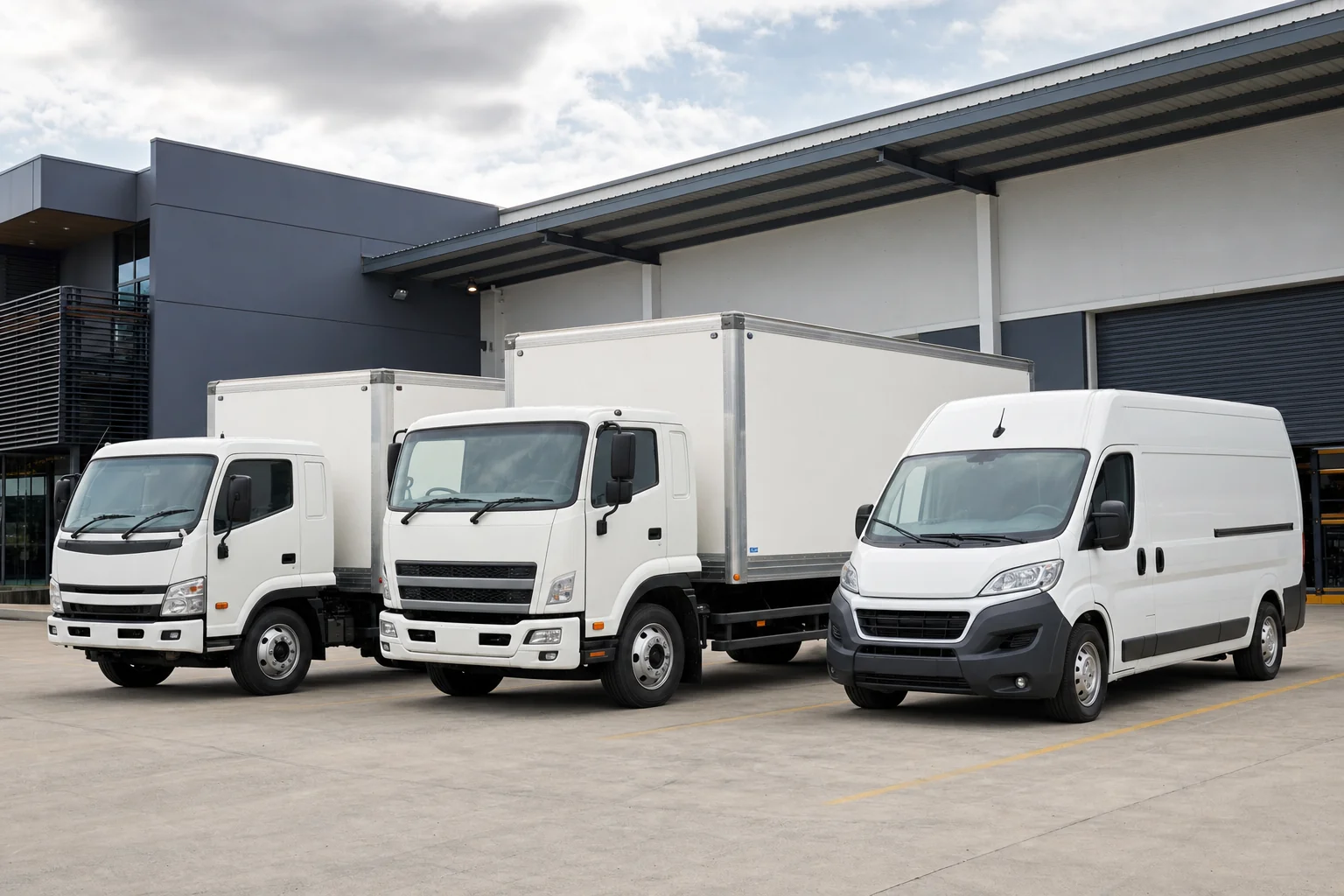
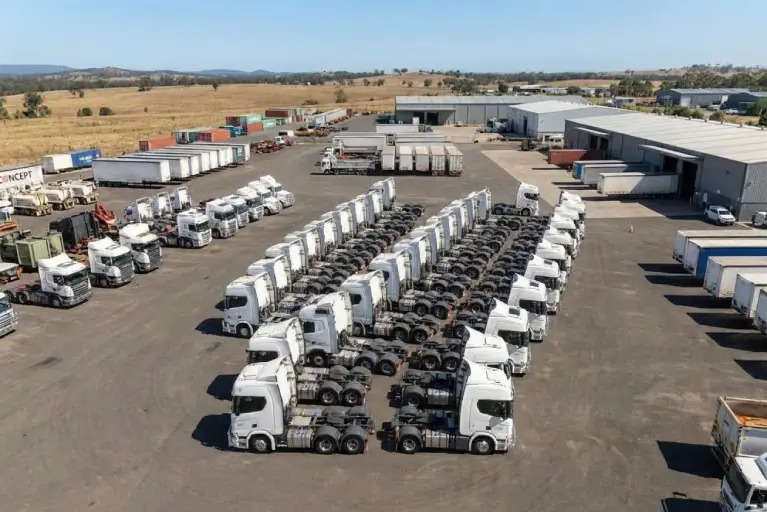
Transport and logistics covers a wide spread of vehicle types. We arrange cover across the lot, mixed fleets included.
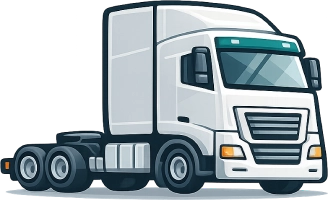
Prime Movers & Semis
Single and multi-combination units running local, regional and interstate freight.
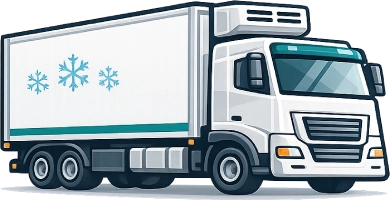
Refrigerated Transport
Reefer trucks and trailers carrying temperature-sensitive freight and cold-chain loads.
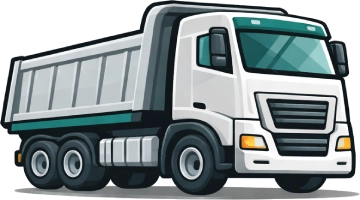
Tippers & Bulk Haulage
Tippers and bulk units moving sand, aggregate, grain and loose material.
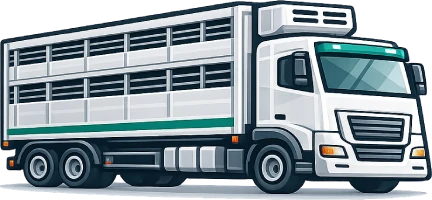
Livestock & Stock Carriers
Stock crates and livestock carriers running cattle, sheep and rural freight.
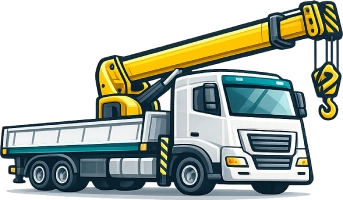
Crane & Lifting Trucks
Truck-mounted cranes and lifting vehicles working freight, plant and site deliveries.
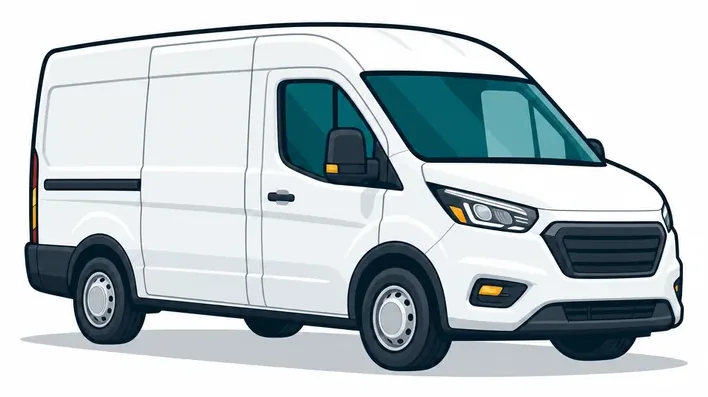
Couriers & Light Freight
Vans and light commercials handling last-mile delivery, courier runs and parcel freight.
The Risks a Transport Business Carries
These are the exposures that most often turn into claims in transport and logistics, and where the right cover earns its keep.
Road Accidents
A single serious collision can write off a prime mover, stop work and trigger a major third-party claim all at once.
Damaged or Lost Freight
The goods you carry are rarely yours. Damage, theft or spoilage in transit can leave you liable to the customer who owns the load.
Liability to Others
Freight operations move through public roads, depots and customer sites, where injury or property damage to third parties is a constant exposure.
Downtime & Lost Income
A truck off the road earns nothing while costs keep running. Downtime and hire-cost cover keeps the operation moving after an incident.
Contractual Conditions
Freight and carriage contracts often shift liability onto the carrier. Getting cover wrong here can leave a gap exactly where you are most exposed.
Driver & Sub-Contractor Risk
Changing drivers, casual labour and sub-contracted units all change the risk profile, and the cover has to keep up with them.
Not Sure Which Cover Your Transport Business Needs?
Talk to a specialist transport insurance broker who will work it out with you.
Call 1300 78 78 25Why Transport Operators Use a Specialist Broker
Generic business insurance treats a transport operation like any other company. It is not, and the gaps show up at claim time.
- We understand freight contracts and the liability they shift
- We arrange cover for mixed fleets, not just single vehicles
- We review cover as vehicles, drivers and contracts change
- We coordinate the claim so trucks get back on the road faster
- We work with insurers who actually write transport risk
- One contact who knows your operation, not a call queue
How We Arrange Your Cover
A straightforward process built around how transport operators actually work.
Tell Us About the Operation
Vehicles, freight, routes, contracts and drivers, so we understand how the business runs and where the risk sits.
We Match the Cover
We work with transport insurers to arrange truck, fleet, cargo, liability and trailer cover that fits the operation.
Review as You Grow
Fleets change. We keep the cover current as you add vehicles, win contracts and take on new work.
We Back You at Claim Time
When something goes wrong, we coordinate the claim and push to get your trucks earning again.
Related Cover
Transport operators rarely need just one policy. These are the covers most often arranged alongside it.
Let's Get Your Transport Business Properly Covered
Tell us about your operation and we will arrange cover that fits how you run.
Speak with a broker who knows transport and will be there when it counts.
Transport & Logistics Insurance FAQs
Most transport operations carry a combination of truck or motor fleet cover, cargo and goods-in-transit cover, and public and products liability. Trailer cover and downtime cover are common additions. The right mix depends on your vehicles, the freight you carry and your contracts, which is what we work through with you.
No. Truck insurance covers the vehicle itself, while cargo or goods-in-transit insurance covers the freight you are carrying. A claim for a damaged load is usually a cargo claim, not a motor claim, which is why most freight operators carry both.
Yes. A motor fleet policy can bring prime movers, rigids, trailers, refrigerated units and light commercials under one policy with consistent terms. This is usually simpler to manage and easier to adjust as the fleet changes than insuring each vehicle separately.
Usually yes. Motor cover responds to the vehicle, but it does not cover every third-party situation a transport business faces in depots, on customer sites or during loading. Public, products and carriers liability cover those exposures.
Often significantly. Carriage and freight contracts frequently shift liability for the goods onto the carrier, sometimes well beyond what a standard policy assumes. We review how your contracts allocate risk so the cover actually lines up with what you have agreed to.
Compliance Disclaimer: This information is general in nature and does not take into account your objectives, financial situation or needs. Please consider the relevant Product Disclosure Statement (PDS) before making any decision.