
Cargo & Goods in Transit Insurance
Cover for the freight you move and the freight you are responsible for, by road, rail, sea and air.
Marine cargo, goods in transit and carriers cargo liability, structured by brokers who understand how freight actually moves and where it gets damaged.
Motor cover protects the truck. It does not pay for the load. This is the cover that does.
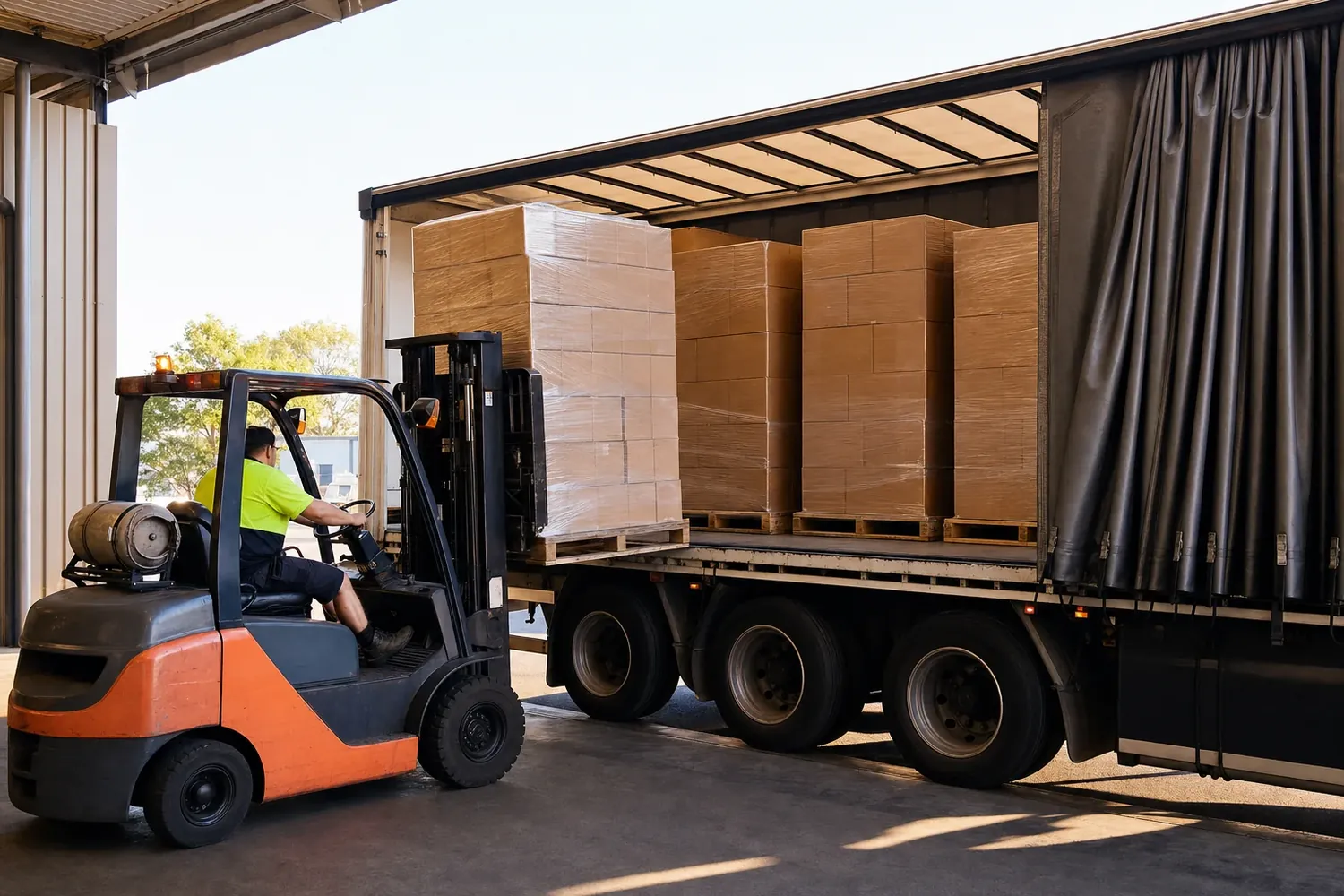
The Load Is the Part Motor Cover Leaves Out
A lot of operators assume the freight on the truck is covered by their motor policy, or by the customer's insurance. Neither is a safe assumption.
When a consignment is damaged in a rollover, stolen off a dock or ruined because a reefer failed, the question is simple: who carries the value, and who is liable for it?
We place marine cargo and goods-in-transit cover for the value of the freight, and carriers cargo liability for your legal responsibility when you are moving someone else's goods.
Paul Cohalan leads the firm, and that same standard runs through every specialist transport broker on the team.
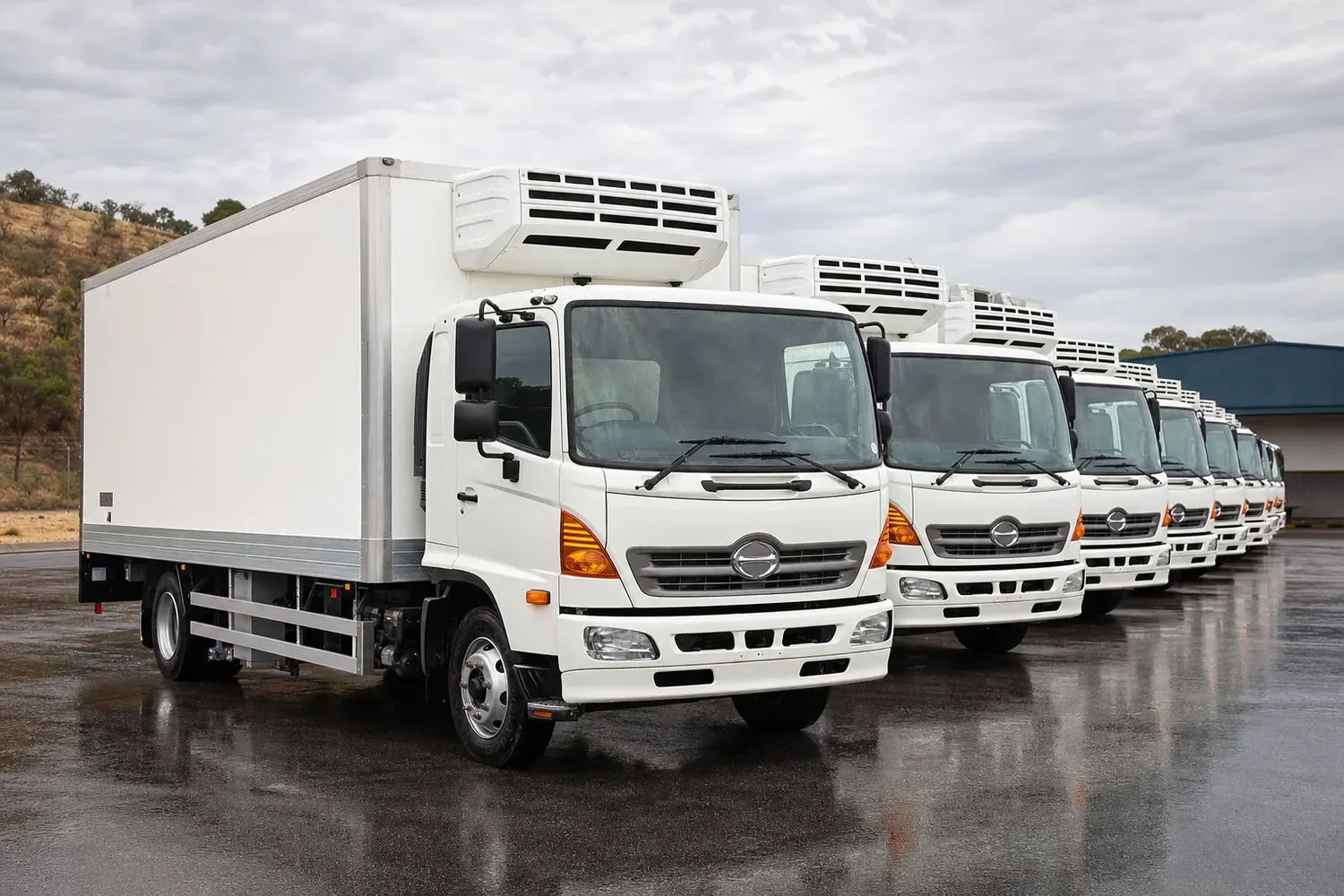

Road, rail, sea & air
freight covered in transit across every mode your consignments move through.

Goods + liability
both sides covered: the value of your cargo and your carriers liability for others' goods.

Specialist insurers
marine and transport underwriters who understand freight, not generalist policies.
Your Goods, or Your Liability for Other People's Goods
Cargo cover is not one thing. Which one you need depends on whose freight is on the truck, and most operators need both.
Marine Cargo & Goods in Transit
Covers the value of the freight
- Pays for physical loss or damage to the goods themselves
- For freight you own, or have agreed to insure for a customer
- Covers road, rail, sea, air and storage in transit
- All-risks cover for theft, collision, fire, water and handling damage
Carriers Cargo Liability
Covers your legal responsibility
- Protects you when you are carrying someone else's goods
- Responds when you are legally liable for loss or damage in your care
- Essential for hire-and-reward carriers and freight forwarders
- Aligns with your carriage contracts and consignment terms
Who Needs Cargo Insurance
If you move freight, store it, or are responsible for it on someone else's behalf, cargo cover belongs in your program.
Hire-and-Reward Carriers
Operators carrying other people's freight for payment, your liability for that load is real and contractual.
Owner-Drivers & Subcontractors
Owner-operators moving consignments under contract who carry the risk on every trip.
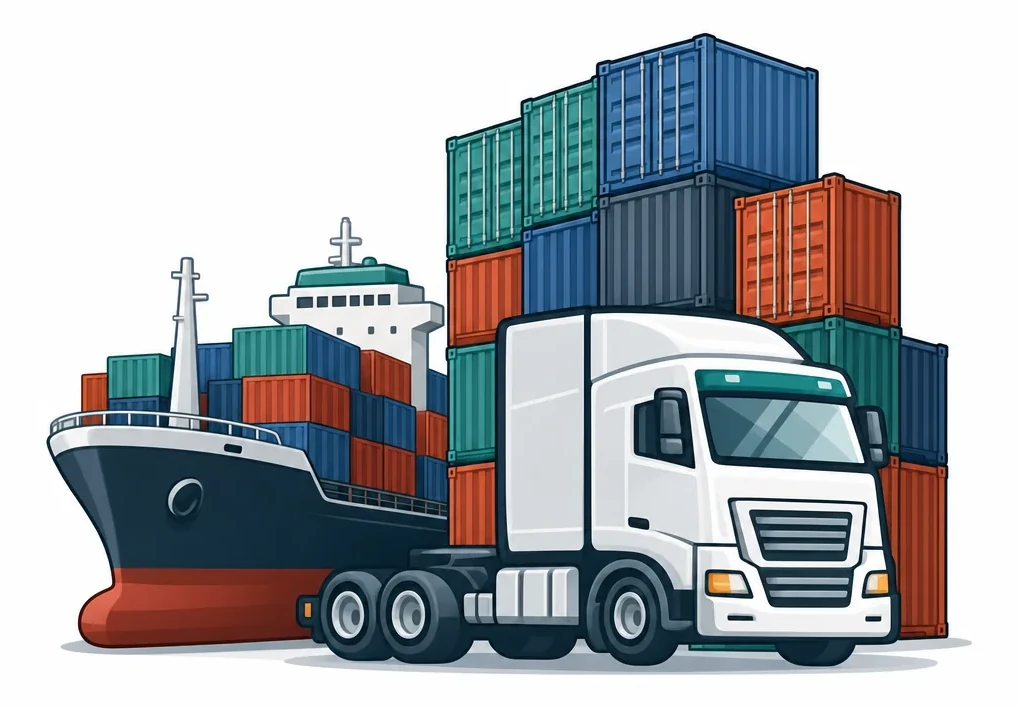
Freight Forwarders
Businesses arranging transport across modes and carriers, with exposure along the whole chain.
Couriers & Last-Mile
High-frequency, high-value parcel and pallet work where small losses add up fast.
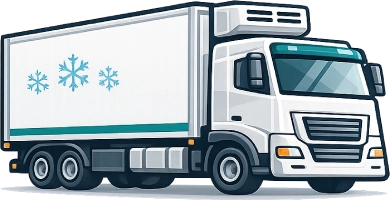
Refrigerated Transport
Reefer operators carrying perishable freight where a temperature failure ruins the whole load.
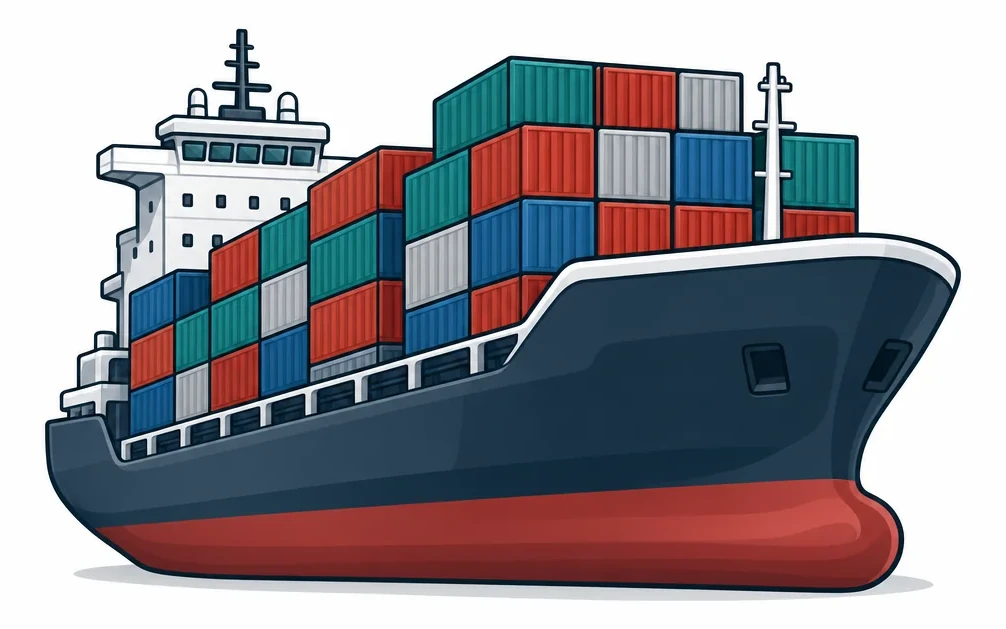
Importers & Exporters
Businesses moving goods internationally by sea and air that need marine cargo cover door to door.
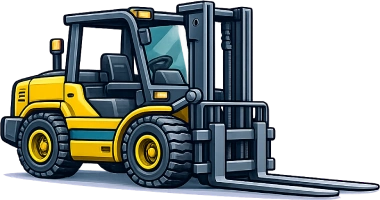
Warehousing & 3PL
Operators holding and moving client stock who are responsible for it in storage and transit.
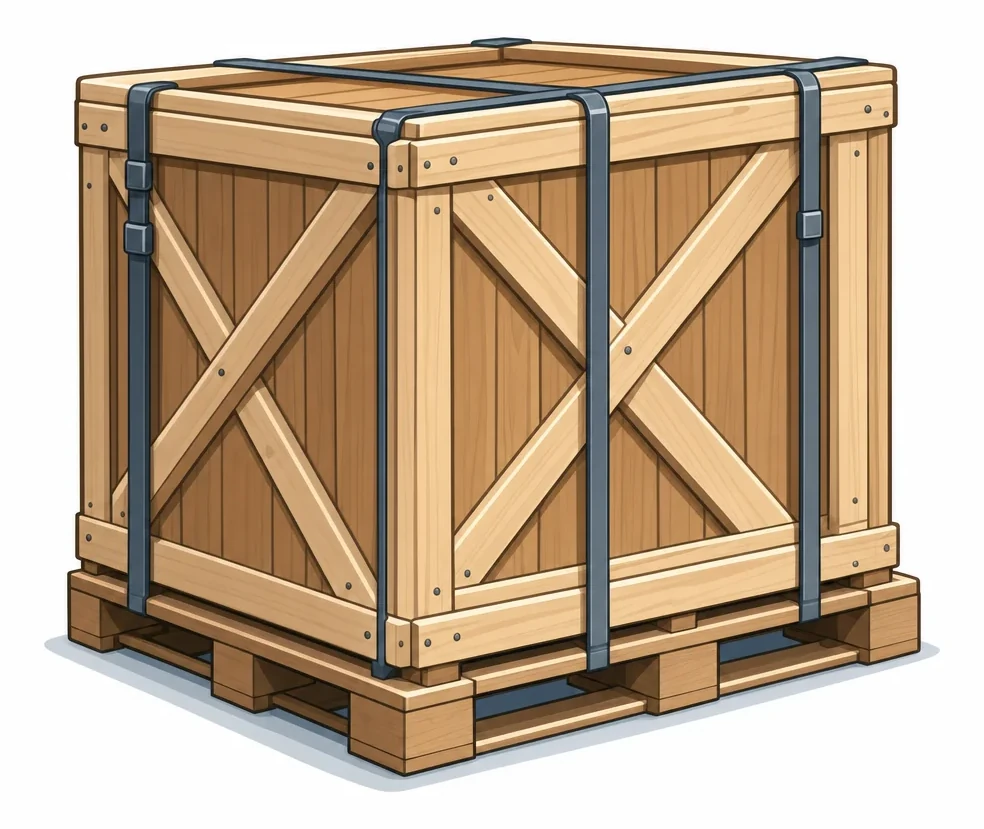
High-Value & Specialised Loads
Machinery, project cargo, dangerous goods and oversized freight that generalist policies get wrong.
What Cargo Insurance Can Include
Cargo cover is built from the lines your freight task actually needs. These are the covers we place most for operators moving goods.

Marine Cargo & Goods in Transit
All-risks cover for physical loss or damage to the freight itself, by road, rail, sea, air and storage in transit.

Carriers Cargo Liability
Your legal liability for loss or damage to customers' goods while they are in your care, custody and control.

Refrigerated & Temperature-Sensitive
Cover for perishable and temperature-controlled freight, including loss from refrigeration breakdown in transit.

High-Value & Project Cargo
Machinery, project freight, dangerous goods and oversized loads that need cover built around the consignment.

Loading, Unloading & Handling
Damage that happens during loading, restraint and unloading, where a surprising amount of freight loss occurs.

Storage & Transit Combined
Cover that follows the goods through warehousing and short-term storage as part of the transit, not just on the road.

All-Risks Physical Loss or Damage
Theft, collision, fire, water and accidental damage to the consignment, structured to the freight you actually carry.

Freight Forwarder & Multi-Modal
Cover across carriers and modes for forwarders responsible for goods along the whole chain.
We also place declared-value, contingent and ad-hoc single-transit cover for one-off high-value movements.
Where Cargo Claims Go Wrong
These are the cargo-specific assumptions we see turn a damaged load into an uninsured loss and an unhappy customer.
Assuming Motor Cover Pays for the Load
Comprehensive motor cover protects the truck and trailer, not the freight on them. When the load is damaged, a motor-only operator finds out the consignment was never insured.
Relying on the Customer's Insurance
Operators often assume the goods owner has it covered. If you are legally liable as the carrier, that assumption does not protect you, and the customer will still come to you.
Undervaluing the Consignment
Cargo limits set years ago do not reflect today's freight values or a single high-value load. When the limit is too low, the shortfall is yours to wear.
Ignoring Refrigeration Breakdown
A reefer failure can ruin an entire perishable load with no collision at all. Without cover for refrigeration breakdown, that is a total loss the policy never anticipated.
Missing the Loading and Unloading Window
A lot of freight is damaged while it is being loaded, restrained or unloaded, not on the road. Cover that only responds in transit leaves that window exposed.
Carriage Terms That Do Not Match the Cover
If your consignment notes and contracts say one thing and your liability cover says another, the gap shows up at claim time. We align the cover to how you actually contract.

Get Your Cargo Cover Right With Paul
“The truck is insured, the trailer is insured, and then the load worth more than both of them is riding on an assumption. Cargo cover is where that assumption gets closed.”
Paul Cohalan
Founding Principal Broker
Call Paul on 1300 78 78 25Why Freight Operators Use a Specialist Broker
Cargo and liability cover is full of definitions, exclusions and contract wording. A specialist broker makes sure the cover matches the freight you carry and the way you contract.

We Fight Your Claims
When an insurer disputes a cargo claim on a wording or a value, we push back with the detail and hold them to account, the same way we pulled a fleet total loss from a 48 per cent offer up to the full insured value.

We Match Cover to Your Freight
We look at what you actually carry, how you contract and where the goods are most exposed, then structure cargo and liability cover around it.

We Read the Wording
Cargo policies live and die on definitions and exclusions. We make sure the cover responds to your real freight task, not just the easy bits.

We Understand Transport
We have managed fleets and moved freight ourselves. That is why the specialist marine and transport insurers know we know our stuff.
Backed by Australia's Leading Marine & Transport Insurers
We place cargo and goods-in-transit business with the specialist underwriters that actually understand freight risk, under a brokerage licence backed by Steadfast.
How We Arrange Your Cargo Cover
A straightforward process built around the freight you carry and how you contract before we talk price.
Understand Your Freight
What you carry, who owns it, the values, the modes, the routes and how you contract with your customers.
Map the Exposure
We work out where the goods are most at risk, in transit, loading, storage or refrigeration, and where liability sits.
Arrange the Right Cover
We place marine cargo, goods-in-transit and carriers liability with the specialist insurers who understand freight.
Renewals, Claims & Ongoing
We keep limits current as your freight values change, fight the claims and adjust as your task evolves.
What Shapes Your Cargo Insurance Premium
There is no flat rate for cargo cover. Your premium reflects the freight, the values and the way you move it, and a broker who understands it can present your risk in the best light.
We do not quote a number off a website. We build your cargo risk profile properly and put it to the market, request a custom quote and we will work it through with you.
- The type and value of the freight you carry
- Whether you need goods cover, carriers liability or both
- Modes of transport, road, rail, sea or air
- Routes, distances and storage in transit
- Refrigerated and temperature-sensitive loads
- Claims history and how freight is handled and restrained
- Your carriage contracts and consignment terms
- The security and tracking you use in transit

Related Cover
Transport operators rarely need just one policy. These are the covers most often arranged alongside it.
Talk Freight With a Specialist Broker
No call centre, no generic form. A broker who understands how freight moves and where it gets damaged.
Get a Cargo Insurance QuoteGet Your Cargo Cover Sorted Properly
Whether you own the freight or carry it for others, the right cover starts with a broker who understands what you move and where it is most at risk.
Tell us about your freight, your routes and how you contract, and we will build cover that actually fits.
Cargo Insurance FAQs
Cargo insurance can cover physical loss or damage to freight in transit by road, rail, sea and air (marine cargo and goods in transit), as well as your legal liability for customers' goods in your care (carriers cargo liability). The right structure depends on whether you own the freight, carry it for others, or both.
No. Comprehensive motor cover protects the truck and trailer, not the goods on board. Cover for the load is a separate line, marine cargo or goods in transit for the value of the freight, and carriers cargo liability for your responsibility when carrying someone else's goods.
Goods in transit (marine cargo) covers the value of the freight itself, for goods you own or have agreed to insure. Carriers cargo liability covers your legal responsibility when you are carrying someone else's goods and are liable for loss or damage in your care. Many operators need both.
If you are the carrier and you are legally liable for the goods, your customer's cover does not remove your exposure, they can still pursue you for the loss. Carriers cargo liability protects you in that situation, regardless of what the goods owner has arranged.
Yes. We place cover for perishable and temperature-sensitive freight, including loss caused by refrigeration breakdown in transit, which is a common and expensive exposure for reefer operators.
Yes. Marine cargo cover can follow your goods door to door across sea, air and road, which is essential for importers, exporters and freight forwarders moving consignments internationally.
Carriers cargo liability covers a transport operator's legal liability for loss or damage to customers' goods while those goods are in the operator's care, custody and control. It is essential cover for hire-and-reward carriers and freight forwarders.
There is no flat rate. Cargo premiums depend on the freight type and value, whether you need goods cover, liability or both, the modes and routes, refrigeration, claims history and your carriage terms. We build the risk profile properly and put it to the market rather than quoting a number off a website.
Yes. We arrange cover for machinery, project freight, dangerous goods and oversized loads, structured around the specific consignment and movement rather than a generic limit.
We place cargo and goods-in-transit business with Australia's specialist marine and transport insurers, including NTI, Global Transport (Allianz), HMIA, Zurich, QBE and UAA, under a brokerage licence backed by Steadfast.
Compliance Disclaimer: This information is general in nature and does not take into account your objectives, financial situation or needs. Please consider the relevant Product Disclosure Statement (PDS) before making any decision.